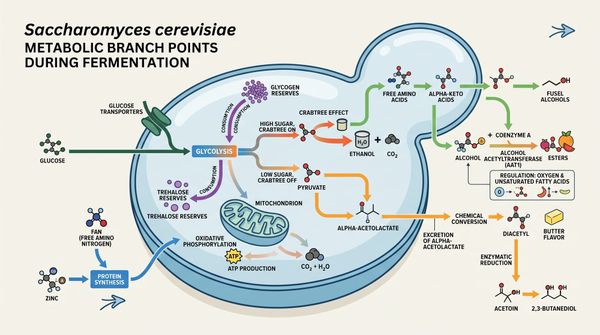
Understanding Fermentation: The Biology of Yeast Health
Yeast is a living organism that makes a long series of metabolic decisions and is shaped by the conditions you control.

Yeast is a living organism that makes a long series of metabolic decisions and is shaped by the conditions you control.
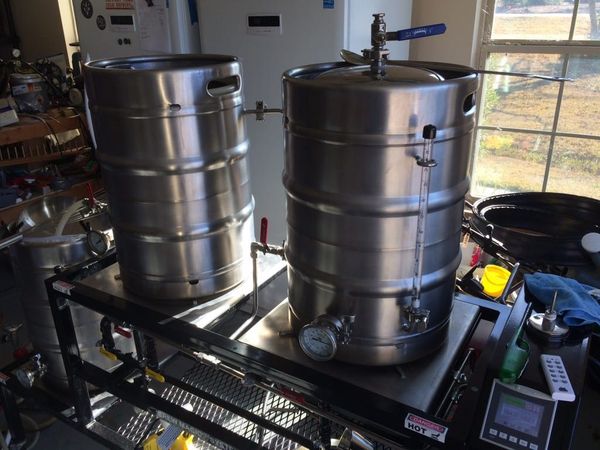
Brew-Magic
Sabco is out of business, but your BrewMagic isn't dead
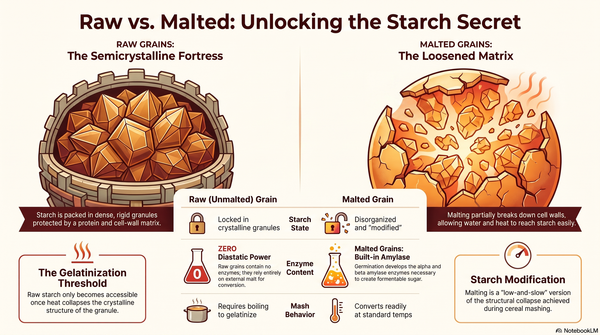
adjunct
Unlocking Starch That Doesn't Want to Be Unlocked
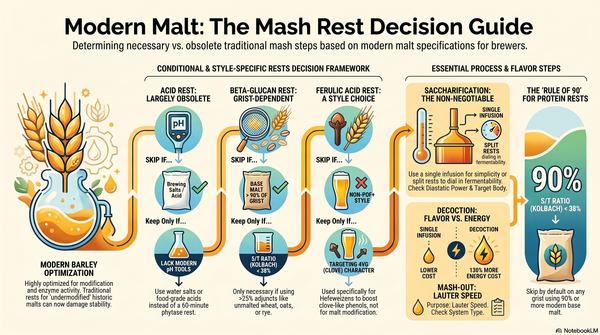
barley
Barley breeding has spent the last half-century optimizing for agronomics first and malting quality second. The malting industry, in turn, has spent that same half-century getting extremely good at compensating for whatever tradeoffs that optimization created.
finishing
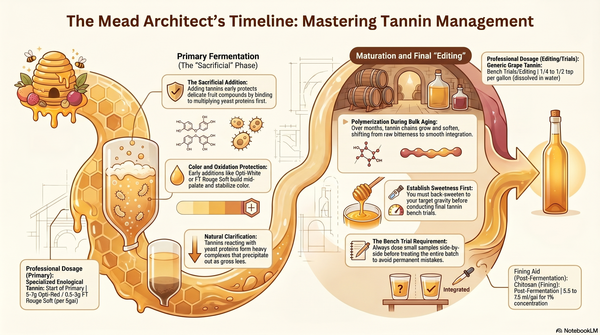
Honey is generous. It gives you sugar; it gives you aroma; it gives you that ineffable floral complexity that makes mead worth making. What it doesn't give you is structure. No tannins. None. Zip.
Mead
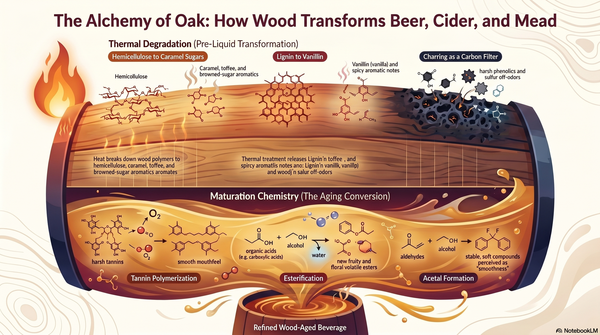
There's a moment in every barrel-aged batch where something clicks. The harsh, tannic edge softens. The fruit comes forward. A faint vanilla warmth settles into the background like it was always there. You didn't add vanilla. You didn't add anything — you just waited, and the wood did the work.
brew day
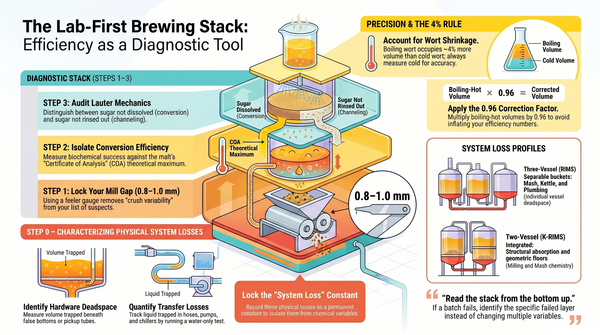
In the "Lab-First" brewery, efficiency is not a high score to brag about. It is a diagnostic tool for variable isolation. If you do not know exactly where your sugars are being lost, you cannot reliably replicate a recipe — and replication, not bragging rights, is the entire point.
always brew better
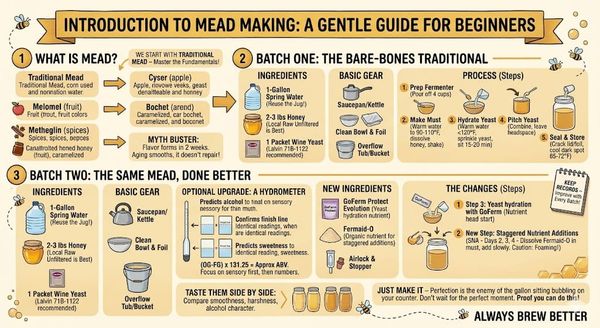
I've seen so much bad advice given to first-time mead makers that I feel like I should offer a primer that is more respectful, open, and encouraging.
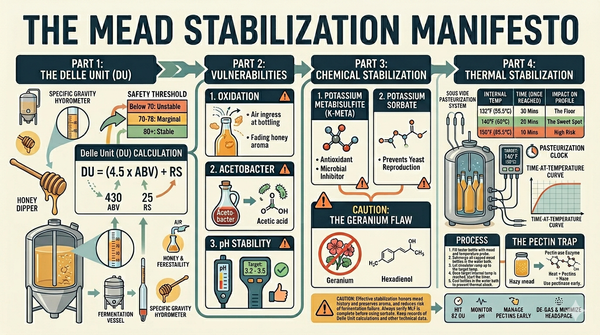
In the pursuit of the perfect sweet mead, the "bottle bomb" is the ultimate horror story, except maybe broken glass carboys.
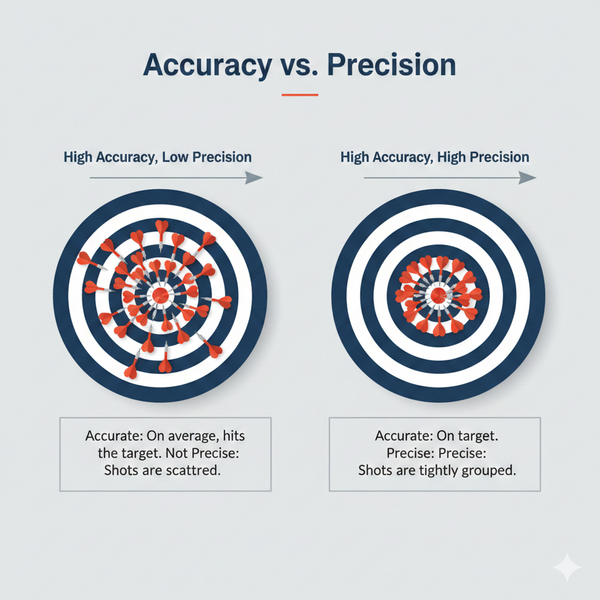
To bridge the gap between a lucky batch and a repeatable masterpiece, we must disentangle three terms that are often used interchangeably but represent distinct physical realities in the brewhouse: Accuracy, Precision, and Consistency.
This is a minor revision and edit of the article published in 2017.
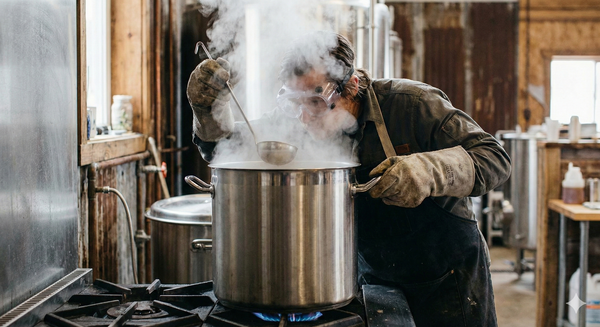
Intentional browning of sugars has a long tradition in brewing and mead-making. Here's the science.
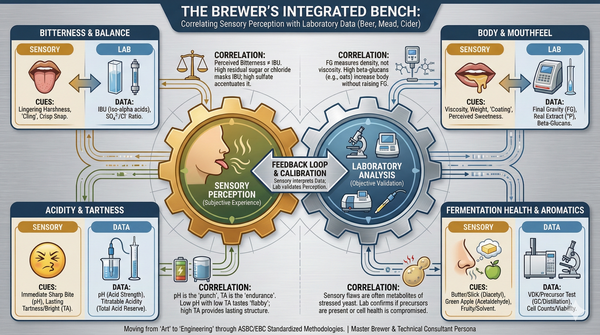
A guideline to using Sensory and the Lab to troubleshoot or verify common brewing issues.
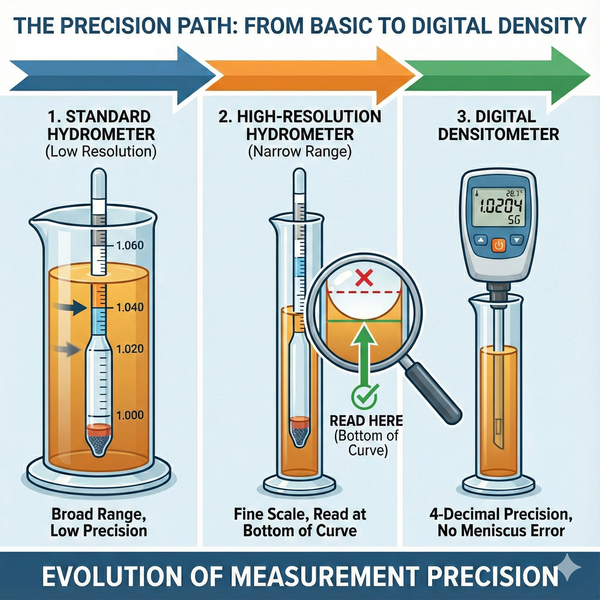
A data-driven look at why standard ABV formulas fail in high-gravity fermentation and how to implement higher-precision models.

Pull up a chair and crack open a beer. Hi, my name is Matt, and I make craft beverages.

After 13 years and a deliberate philosophical shift, I traded corporate demands for a quieter, simpler life. Here is the plan for the new cellar.
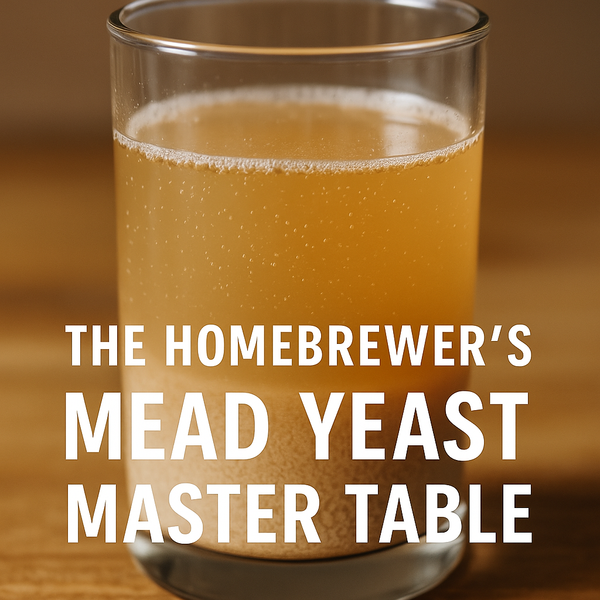
A practical guide to widely available wine, cider, ale, and mead yeasts — optimized for honey must, not malt.
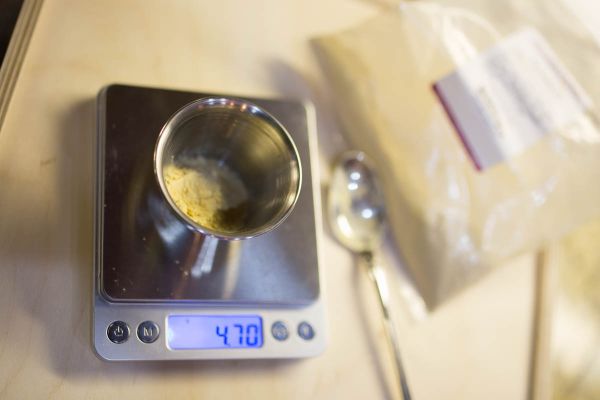
Discover the key differences between SNA (Staggered Nutrient Additions) and TOSNA (Tailored Organic Staggered Nutrient Additions) in meadmaking. This comprehensive guide explores traditional and organic nutrient management methods, helping both novice and experienced meadmakers choose the right appr
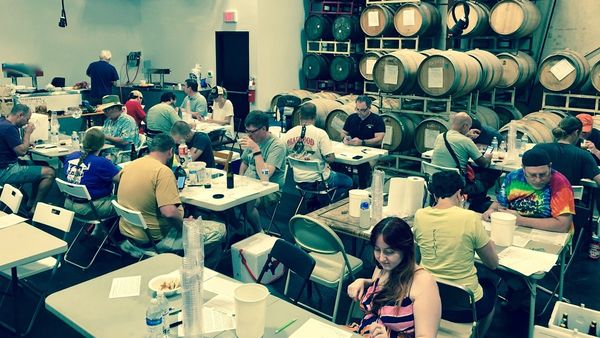
We need an honest and direct discussion about brewing competition. Of course, being a homebrewer, I am mainly focused on amateur beer, mead, cider, and wine competitions, which often also have a commercial or professional track. Here in 2024, competition stakes are very high, and success is critical